














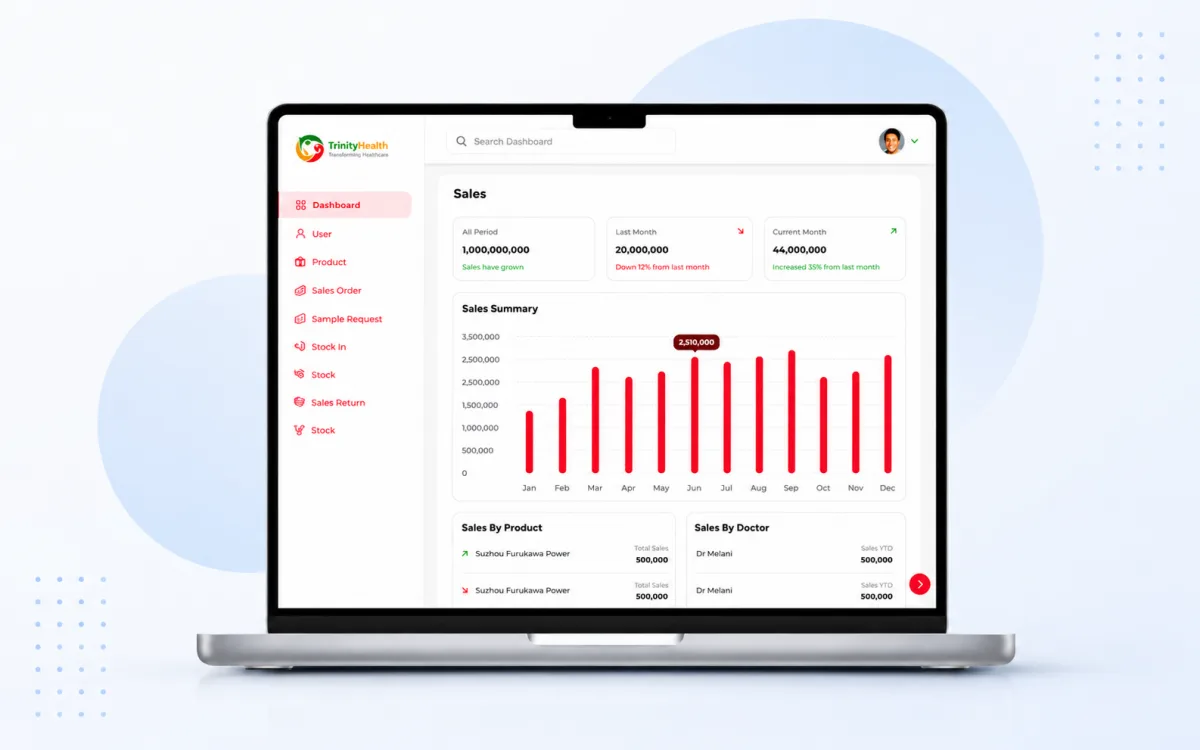
CRM Web Apps
A tailored solution to centralize leads, accounts, opportunities, follow-ups, and sales activity for office teams, with centralized data and clearer operational visibility.
- Industry: Customer Relationship Management
- Country: Philippines
In today's rapidly evolving digital landscape, staying ahead of the curve is essential for businesses aiming to thrive and succeed.
















At Bestada, our mission is to empower businesses through innovative software solutions that streamline operations, foster growth, and drive success.
A tailored solution to centralize leads, accounts, opportunities, follow-ups, and sales activity for office teams, with centralized data and clearer operational visibility.



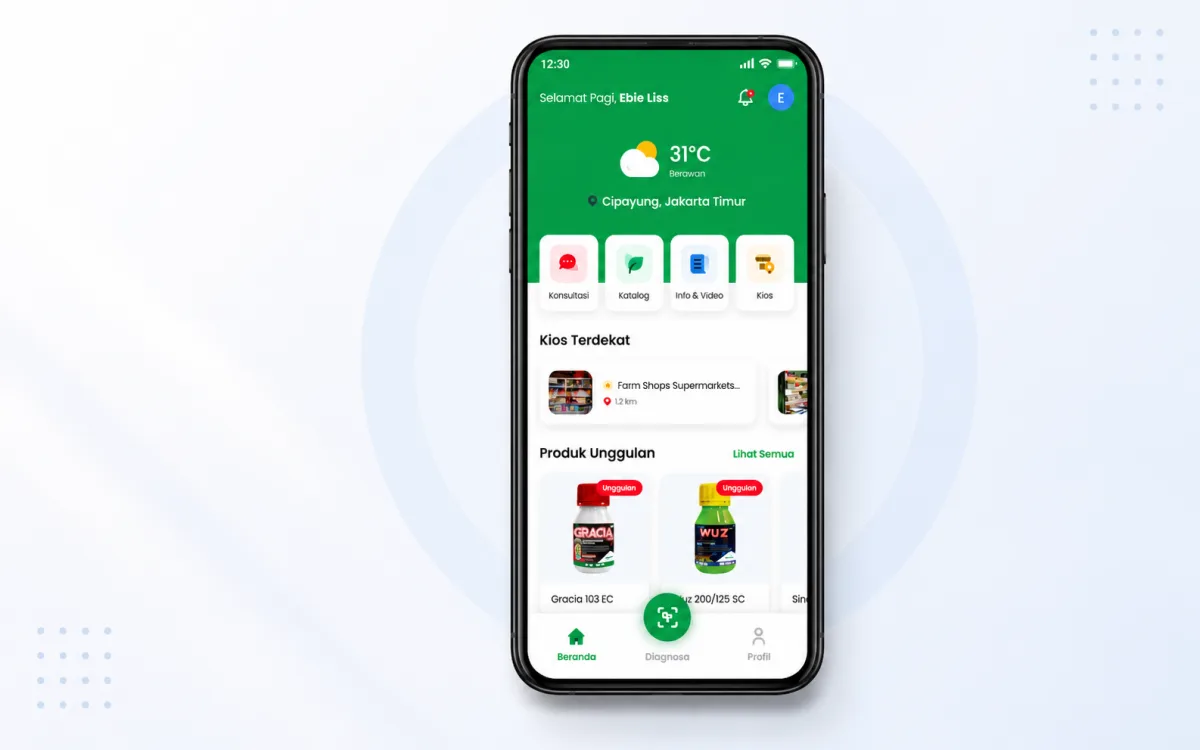
A tailored solution to give agricultural users mobile access to field documents, records, reference materials, and updates, with centralized data and clearer operational visibility.

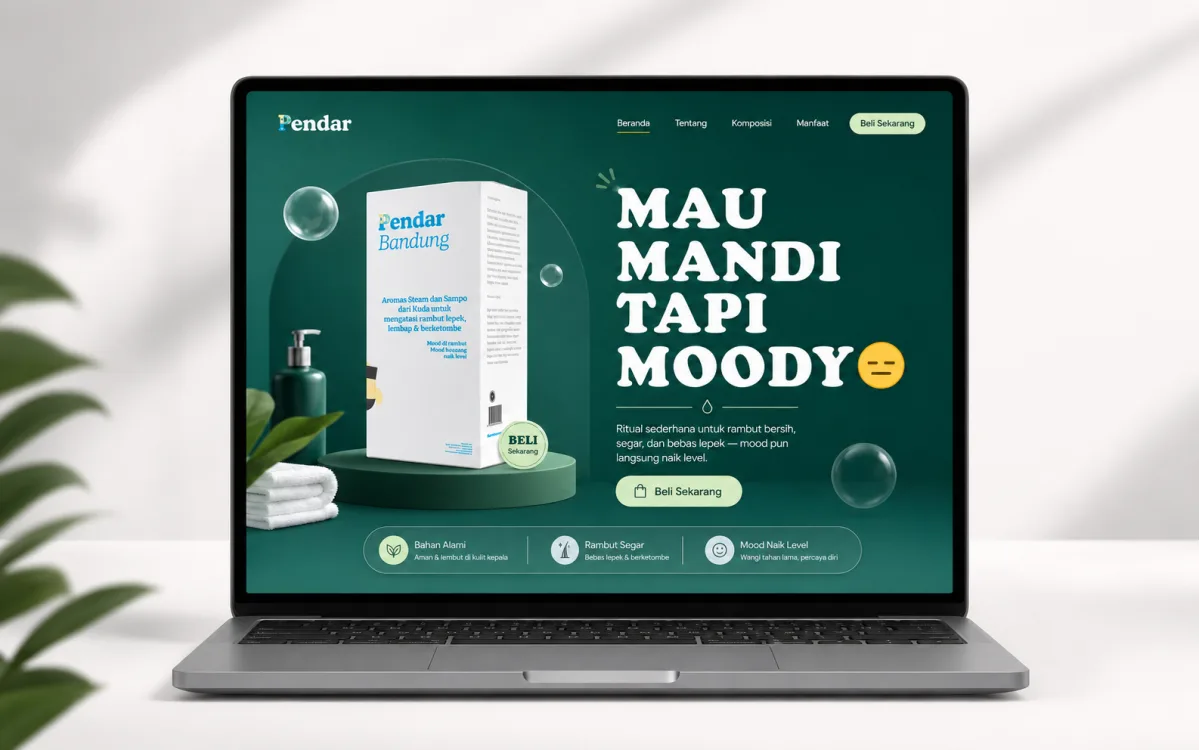
A tailored solution to present products, campaign messages, brand value, and conversion-focused calls to action in a responsive experience, with centralized data and clearer operational visibility.






We start by understanding your business processes, challenges, and goals. Through detailed analysis, we identify opportunities to improve efficiency and design the right system architecture.
We translate your requirements into scalable system designs and develop robust, high-performance applications tailored to your workflows.
Every feature is thoroughly tested to ensure reliability, security, and optimal performance before going live.
We handle system deployment smoothly, ensuring minimal disruption to your operations and full readiness for production use.
We provide continuous support, updates, and improvements to keep your system running efficiently as your business grows.




























Consider experience, technical expertise, business understanding, communication transparency, and post-launch support.
Bestada focuses on solutions aligned with real business operations.
A custom software development company builds digital solutions specifically for a business.
Unlike off-the-shelf software, custom solutions follow your workflows, are scalable and flexible, and integrate with existing systems.
Custom software improves efficiency, scalability, and operational control.
Cost depends on complexity, features, technology, integrations, and timeline.
Bestada provides transparent pricing based on your requirements.
Custom software supports unique processes and long-term growth.

 Bestada Insight
The software house industry in Indonesia continues to experience rapid development in line with the increasing need for digitalization in various sectors. From startups to large enterprises, almost all businesses now need software solutions to improve efficiency, customer service and competitiveness. This condition makes the future of the software house industry in Indonesia very promising. This article will discuss trends, opportunities, challenges and predictions for the development of the software house industry in Indonesia in the next few years. Growth of the Software House Industry in Indonesia In recent years, Indonesia has experienced accelerated digital transformation. Many companies are starting to adopt technology such as mobile applications, cloud-based systems, and e-commerce platforms. Several factors that encourage the growth of software houses in Indonesia include: Increasingly massive digitalization of business Companies from various sectors such as education, health, logistics and retail are starting to switch to digital systems. Technology startup growth Indonesia has a rapidly growing startup ecosystem so the need for software development is increasingly high. Government support for the digital economy The government continues to encourage the development of digital talent and technological infrastructure. Increasing demand for mobile and web applications Businesses need applications to reach customers online. With these factors, the software house industry is predicted to continue to grow in the long term. Technology Trends That Will Impact Software Houses Several technologies are predicted to be the main drivers for the development of software houses in Indonesia. 1. Artificial Intelligence (AI) AI will increasingly be used for data analysis, chatbots, business automation and service personalization. Software houses that are capable of developing AI-based solutions will have huge opportunities in the market. 2. Cloud Computing Using the cloud makes it easier for companies to manage systems without having to have their own server infrastructure. Many software houses are starting to shift to cloud-based development. 3. Internet of Things (IoT) IoT will be used in the manufacturing, smart city and logistics industries. This opens up great opportunities for software houses to develop integrated systems. 4. Cybersecurity As digital security threats increase, the need for security systems also increases. Software houses that focus on application security will be increasingly needed. Big Opportunities for Software Houses in Indonesia The software house industry has various promising opportunities, including:1. Outsourcing Development Many companies choose software development outsourcing to save costs and time. Local software houses can take advantage of this opportunity. 2. Very Large MSME Market Indonesia has millions of MSMEs that are starting to need digital systems such as: Business website Sales management system Cashier application E-commerce platform This is a big market for software houses. 3. Government Digitalization Project The public service digitization program opens up opportunities for software houses to collaborate with government agencies. 4. Export of Technology Services Indonesian software houses also have great opportunities to serve international clients because development costs are relatively more competitive. Challenges Facing Software Houses Despite huge opportunities, the software house industry also faces several challenges. 1. Digital Talent Shortage Demand for developers is often higher than the number of experts available. 2. Increasingly Tighter Competition Many new software houses have emerged so competition in getting clients is getting higher. 3. Rapid Technological Change Software houses must keep abreast of technological developments to remain relevant in the market. 4. Complex Project Management Software development projects often have changing client needs so they require good management. Predictions of the Future of Software Houses in Indonesia Looking at current trends, the future of the software house industry in Indonesia is predicted to continue to develop with the following characteristics: More software houses are focusing on specific niches such as fintech, healthtech, or edtech. The use of AI and automation in the development process will increase. Software houses will offer more SaaS (Software as a Service) products rather than just development services. Collaboration between software houses and technology startups will become stronger. With the development of Indonesia's digital economy which is predicted to continue to increase, the software house industry has the potential to become an important sector in the national economy. Conclusion The future of the software house industry in Indonesia is very bright. The growth of business digitalization, technological developments, and the ever-increasing need for software systems are the main drivers of this industry. However, to remain competitive, software houses must be able to adapt to new technologies, improve the quality of digital talent, and offer innovative solutions to clients.For technology business people and developers, this is the right time to jump in and develop in the Indonesian software house industry
Read Article Bestada Insight
Collaboration between the IT team and management is an important factor in the success of a company's digital transformation. In many organizations, the IT team is often considered simply as a technical service provider, while management focuses on business strategy. In fact, when the two work synergistically, companies can move more quickly, innovatively and efficiently. This article will discuss various tips for effective collaboration between the IT team and management so that communication is smoother, decisions are more precise, and technology projects can run successfully. Why is IT and Management Collaboration So Important? In today's digital era, almost all business processes depend on technology. Information systems, data security, internal applications, and data analysis require the support of a strong IT team. However, without business understanding from management, the technology solutions created may not be in accordance with the company's needs. On the other hand, without technical support from the IT team, the company's digital strategy is difficult to realize. Good collaboration helps: Aligning business and technology strategies Speed up the implementation of digital projects Reduce miscommunication between teams Improve operational efficiency Supporting sustainable innovation 1. Build Open and Transparent Communication One of the biggest barriers between the IT team and management is the language difference. IT teams often use technical terms, while management focuses more on business results. The solution is to build open communication that is easy for both parties to understand. IT teams need to explain technology solutions in simpler language, while management must be open to understanding the basics of the technology used. Several ways you can do this: Hold regular meetings between the IT team and management Prepare technology reports in a form that is easy to understand Using data visualization to explain system conditions 2. Align Technology Goals with Business Goals For collaboration to be effective, each IT project must have a direct link to the company's business goals. For example: Implementation of an ERP system to increase operational efficiency Use of data analytics to increase sales Strengthening security systems to protect customer data When IT teams understand business objectives, they can design solutions that are more relevant and have real impact. 3. Involve the IT Team in Strategic Decision Making Often strategic decisions regarding technology are made without involving the IT team from the start. This can cause problems during implementation. Involving the IT team in the planning stage helps companies: Identify technology risks early Choose a more efficient solution Avoid unnecessary implementation costs The IT team can provide important technical insights for management before decisions are made. 4. Use an Agile Approach in Technology Projects Flexible working methods such as Agile can help improve collaboration between the IT team and management.This approach allows projects to be carried out in stages with regular evaluation. Management can see project progress in real-time, while the IT team can adjust solutions based on feedback. The benefits of the Agile approach include: Projects are more adaptive to change Lesser risk of failure Communication between teams is more intensive 5. Define Roles and Responsibilities Clearly Good collaboration requires a clear division of tasks. Each party must understand its role in the technology project. For example: Management is responsible for business strategy and priorities The IT team is responsible for technical implementation The project manager ensures coordination between teams runs smoothly With a clear structure, the potential for conflict can be minimized. 6. Increase Technological Literacy at Management Level To make communication more effective, management also needs to understand the basics of digital technology. You don't have to be a technical expert, but at least understand concepts like: cybersecurity cloud computing data analytics process automation With this understanding, management can make more informed technology decisions. 7. Build a Collaborative Work Culture Effective collaboration depends not only on work processes, but also on organizational culture. Companies need to create a work environment that: appreciate ideas from all teams encourage open discussion focus on solutions, not blame When the IT team and management feel valued and heard, collaboration will run more harmoniously. Conclusion Effective collaboration between the IT team and management is an important key in facing today's digital challenges. With open communication, aligned goals, and active involvement of both parties, companies can maximize the use of technology to achieve business growth.
Read Article Bestada Insight
In the era of digital transformation, information technology (IT) is no longer just an operational support tool, but has become the main foundation in driving business growth. Companies that are able to adopt modern IT strategies appropriately can increase efficiency, strengthen competitiveness and open up new innovation opportunities. Therefore, designing an IT strategy that is oriented towards long-term growth is a crucial step for every organization. The Importance of IT Strategy in Modern Business The rapid development of technology requires companies to always adapt. Without a clear IT strategy, technology investments often do not provide optimal results. A planned IT strategy helps companies: Aligning technology with business goals Improve operational efficiency Optimizing data-based decision making Strengthening information security Supporting product and service innovation With the right approach, technology can be a key driver of sustainable growth. 1. Adopt Cloud Infrastructure One of the most effective modern IT strategies is utilizing cloud technology. Cloud-based infrastructure allows companies to flexibly access computing resources without the need for large investments in hardware. The main benefits of using the cloud include: High scalability according to business needs Operational cost efficiency Easy team collaboration Faster and safer data access The cloud also allows companies to react more quickly to market changes. 2. Utilization of Data and Analytics Data is an important asset in modern business. By utilizing analytical technology and big data, companies can understand customer behavior, predict market trends, and make more accurate strategic decisions. Some of the main benefits of data analytics include: Identify new market opportunities Optimization of marketing strategies Improved customer experience Fact-based decision making Organizations that make the most of data usually have a stronger competitive advantage. 3. Business Process Automation Automation is an important part of modern IT strategy. By automating repetitive processes, companies can reduce human errors, increase work efficiency and save time. Examples of automation implementations include: Automatic inventory management system Customer service automation via chatbot Automation of financial and accounting processes In addition to increasing productivity, automation also allows employees to focus on more strategic work. 4. Proactive Cybersecurity As the use of digital technology increases, cyber security risks also increase. Cyber attacks can cause financial losses, data loss, and damage to a company's reputation. A modern IT security strategy should include: Data encryption system Multi-factor authentication Real-time network monitoring Security education for employees A proactive security approach helps companies protect digital assets more effectively. 5. New Technology Integration Technologies such as artificial intelligence, Internet of Things (IoT), and machine learning are increasingly being used to increase business efficiency. The integration of new technologies can open up innovation opportunities that were previously impossible. Some examples of the application of modern technology include: AI for data analysis and customer service IoT for real-time device monitoring Machine learning for market demand prediction By utilizing this technology, companies can create more adaptive and innovative business models. 6. Digital Talent Development Advanced technology will not provide optimal results without competent human resources. Therefore, investing in digital talent development is an important part of long-term IT strategy. Companies can take several steps such as: Latest technology training for employees IT certification program Collaboration with educational institutions Recruitment of digital experts A competent IT team will be the main driver of digital transformation in the organization. Conclusion Modern IT strategy is an important element in creating sustainable business growth. By leveraging cloud computing, data analytics, process automation, cybersecurity, integration of new technologies, and digital talent development, companies can build a strong technological foundation for the future.
Read Article
Start your journey toward stronger digital operations.