

 16/11/2023
 A Comprehensive Guide to Software House Development Methodologies
<p>In the dynamic and ever-evolving field of software development, choosing the right development methodology is crucial for the success of a <strong>software house</strong>. The methodology employed ca
 oleh Administrator
  Bestada
 Salin Link
  Berita
 A Comprehensive Guide to Software House Development Methodologies


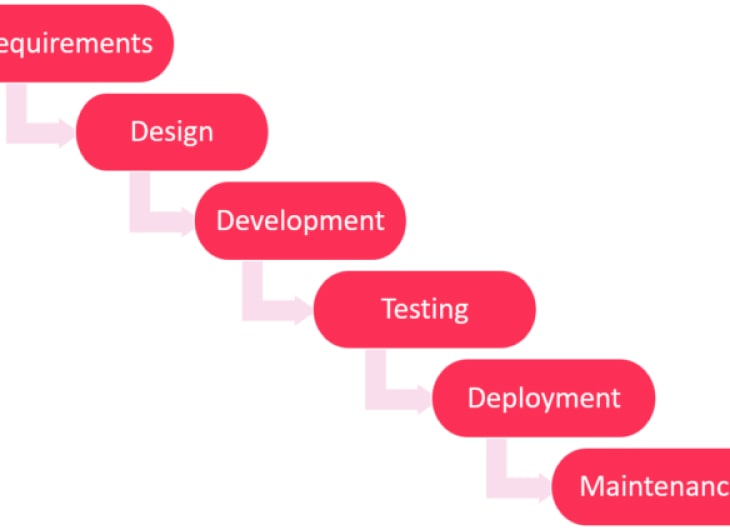
<p>In the dynamic and ever-evolving field of software development, choosing the right development methodology is crucial for the success of a <strong>software house</strong>. The methodology employed can significantly impact the project's timeline, cost, and overall success. Here's a comprehensive guide to various software development methodologies commonly used in software houses:</p> <p><strong>1. Waterfall Methodology:</strong></p> <p><strong>Overview:</strong> The Waterfall model is a linear and sequential approach to software development. Each phase must be completed before moving on to the next one.</p> <p><strong>Pros:</strong></p> <ul> <li>Easy to understand and use.</li> <li>Clear project goals and requirements are established upfront.</li> <li>Well-suited for small to medium-sized projects with stable requirements.</li> </ul> <p><strong>Cons:</strong></p> <ul> <li>Limited flexibility for changes during the development process.</li> <li>May result in a longer time to deliver the final product.</li> </ul> <p><strong>2. Agile Methodology:</strong></p> <p><strong>Overview:</strong> Agile is an iterative and flexible approach that prioritizes customer feedback and collaboration. It divides the project into small increments with minimal planning.</p> <p><strong>Pros:</strong></p> <ul> <li>Allows for frequent reassessment and adaptation of project goals.</li> <li>Emphasizes customer satisfaction and continuous delivery.</li> <li>Ideal for projects with evolving or dynamic requirements.</li> </ul> <p><strong>Cons:</strong></p> <ul> <li>Requires active and continuous customer involvement.</li> <li>May be challenging for larger teams or projects with fixed requirements.</li> </ul> <p><strong>3. Scrum:</strong></p> <p><strong>Overview:</strong> Scrum is an Agile framework that focuses on collaboration, accountability, and iterative progress. It divides the development process into fixed-length iterations called sprints.</p> <p><strong>Pros:</strong></p> <ul> <li>Promotes transparency and regular inspection of the work.</li> <li>Enables quick adaptation to changes during development.</li> <li>Suitable for projects requiring regular releases.</li> </ul> <p><strong>Cons:</strong></p> <ul> <li>Requires a dedicated Scrum Master and Product Owner.</li> <li>May not be suitable for projects with well-defined and stable requirements.</li> </ul> <p><strong>4. Kanban:</strong></p> <p><strong>Overview:</strong> Kanban is a visual workflow management method that emphasizes continuous delivery. It allows teams to visualize their work, limit work in progress, and maximize flow.</p> <p><strong>Pros:</strong></p> <ul> <li>Provides real-time visibility into project progress.</li> <li>Encourages a steady and efficient workflow.</li> <li>Suitable for projects with varying priorities and frequent changes.</li> </ul> <p><strong>Cons:</strong></p> <ul> <li>May lack the defined structure of other methodologies.</li> <li>Requires discipline to avoid overloading the team with tasks.</li> </ul> <p><strong>5. DevOps:</strong></p> <p><strong>Overview:</strong> DevOps is not a development methodology in itself but rather a set of practices that aim to automate and integrate the processes of software development and IT operations.</p> <p><strong>Pros:</strong></p> <ul> <li>Accelerates the development and deployment cycle.</li> <li>Improves collaboration between development and operations teams.</li> <li>Enhances overall efficiency and reduces time to market.</li> </ul> <p><strong>Cons:</strong></p> <ul> <li>Requires a cultural shift within the organization.</li> <li>Implementation may be challenging, especially for traditional development environments.</li> </ul> <p><strong>6. Extreme Programming (XP):</strong></p> <p><strong>Overview:</strong> XP is an Agile methodology that emphasizes customer satisfaction, flexibility, and continuous improvement. It includes practices such as pair programming, continuous integration, and test-driven development.</p> <p><strong>Pros:</strong></p> <ul> <li>Prioritizes customer feedback and responsiveness to changing requirements.</li> <li>Promotes high-quality code through testing and collaboration.</li> <li>Well-suited for small to medium-sized projects.</li> </ul> <p><strong>Cons:</strong></p> <ul> <li>May require a significant cultural shift within the development team.</li> <li>Some practices may be challenging to implement in certain environments.</li> </ul> <p><strong>Conclusion:</strong></p> <p>Choosing the right software development methodology depends on various factors, including project size, complexity, and client requirements. Many software houses adopt a hybrid approach, combining elements from different methodologies to create a customized framework that best suits their needs. By understanding the strengths and weaknesses of each methodology, software houses can make informed decisions to ensure successful project outcomes.</p>
Poin Utama

- Insight teknologi yang praktis
- Implementasi yang fokus pada bisnis
- Perencanaan IT yang andal
- Peningkatan berkelanjutan


