

 07/01/2026
 Best CMS for Modern Corporate Websites
In today's digital era, a company website is not just an online storefront, but also a center for information, branding and business conversion. To manage websites efficiently, companies need a CMS (Content Management Sy
 by Administrator
  Bestada
 Copy Link
  News
News Best CMS for Modern Corporate Websites


In today's digital era, a company website is not just an online storefront, but also a center for information, branding and business conversion. To manage websites efficiently, companies need a CMS (Content Management System) that is reliable, flexible, and secure. Choosing the right CMS will greatly influence website performance, user experience, and ease of content management.
This article will discuss the best CMS for modern corporate websites, complete with its advantages and disadvantages, so you can determine the choice that best suits your business needs.
What is CMS and Why is it Important for Companies?
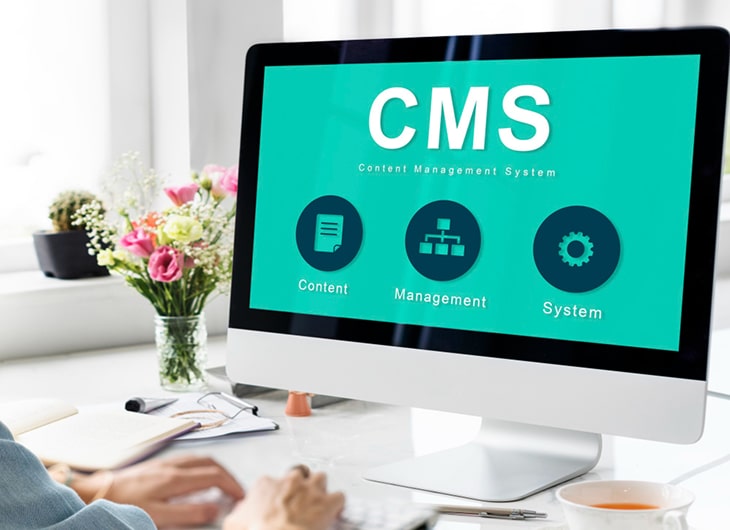
CMS (Content Management System) is a system that allows users to create, manage and update website content without having to have in-depth technical programming skills.
Benefits of CMS for company websites:
-
Makes content management easier for non-technical teams
-
Save development time and costs
-
Supports SEO optimization
-
Provide security and access control systems
-
Easy to develop according to business needs
Criteria for the Best CMS for Company Websites
Before choosing a CMS, make sure the platform meets the following criteria:
-
Easy to Use (User-Friendly)
-
SEO-Friendly
-
High Security
-
Flexible and Easy to Develop
-
Community Support or Professional Support
-
Good Performance and Scalability
List of the Best CMS for Modern Corporate Websites
1. WordPress
WordPress is the most popular CMS in the world and is used by various types of companies, from MSMEs to large corporations.
Advantages:
-
Easy to use and manage
-
Thousands of themes and plugins
-
Very SEO-friendly
-
Large community and complete documentation
Disadvantages:
-
Requires extra security management
-
Can be slow if there are too many plugins
Suitable for: Company profile websites, company blogs, landing pages, and medium-sized corporate websites.
2. Drupal
Drupal is known as a powerful and secure CMS, often used by large companies and government agencies.
Advantages:
-
High security
-
Very flexible and scalable
-
Suitable for websites with complex structures
Disadvantages:
-
The learning curve is quite high
-
Requires an experienced technical team
Suitable for: Large companies, enterprise websites, and portals with high traffic.
3. Joomla
Joomla sits between WordPress and Drupal in terms of complexity and flexibility.
Advantages:
-
Good user management
-
Flexible for various types of websites
-
Supports basic SEO
Disadvantages:
-
The extension ecosystem is not as big as WordPress
-
Not friendly for beginners
Suitable for: Medium-sized company websites with special feature needs.
4. Magento (Adobe Commerce)
Magento is a special e-commerce CMS that is suitable for companies with a focus on online sales.
Advantages:
-
Very powerful for e-commerce
-
High scalability
-
Complete features for product and transaction management
Disadvantages:
-
Requires server and high costs
-
Management is quite complex
Suitable for: Large-scale retail and e-commerce companies.
5. Headless CMS (Strapi, Contentful, Sanity)
Headless CMS is becoming a trend in modern website development because it separates the backend and frontend.
Advantages:
-
High performance
-
Flexible for multi-platform (website, mobile app, IoT)
-
Suitable for modern technologies such as React or Vue
Disadvantages:
-
Requires a team of developers
-
Not suitable for companies without a technical team
Suitable for:Tech startups and modern digital companies.
Which CMS is Most Appropriate for Your Company Website?
There is no one CMS that is perfect for all companies. The best choice depends on:
-
Business scale
-
Budget
-
Website complexity
-
Availability of technical team
-
The company's long-term goals
Short recommendation:
-
Beginners & MSMEs: WordPress
-
Large companies: Drupal
-
Medium complex website: Joomla
-
Large-scale e-commerce: Magento
-
Modern & custom website: Headless CMS
Conclusion
Choosing the best CMS for a modern corporate website is a strategic step in building a professional and sustainable digital presence. With the right CMS, companies can manage content easily, improve SEO performance, and provide the best experience for website visitors.
Key Takeaways

- Practical technology insight
- Business-focused implementation
- Reliable IT planning
- Continuous improvement


