

 12/12/2025
 Business Process Automation: The Future of Industry
The development of digital technology has changed the way companies carry out their operations. One of the most influential innovations is Business Process Automation (BPA). BPA enables companies to automate repetitive,
 by Administrator
  Bestada
 Copy Link
  News
News Business Process Automation: The Future of Industry


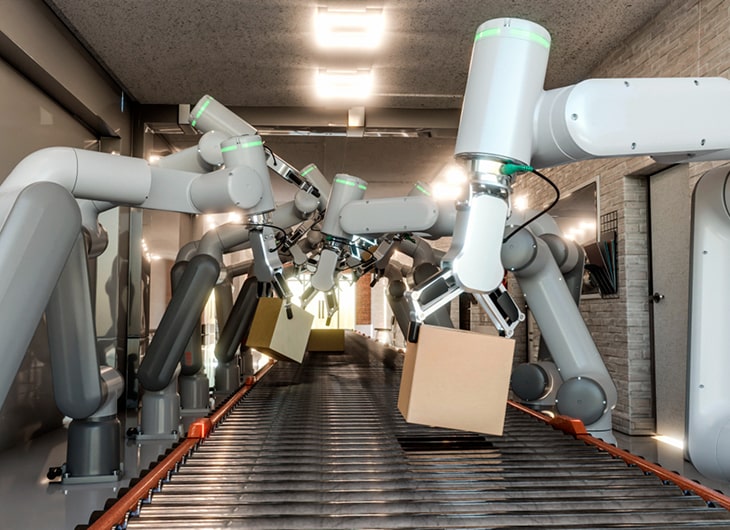
The development of digital technology has changed the way companies carry out their operations. One of the most influential innovations is Business Process Automation (BPA). BPA enables companies to automate repetitive, complex and time-consuming business processes, thereby increasing efficiency and competitiveness. It is no exaggeration if BPA is called the future of industry in the era of digital transformation
What is Business Process Automation?
Business Process Automation is the use of technology to execute business processes automatically with minimal human intervention. BPA integrates various systems, applications and data to ensure processes run faster, more accurately and consistently.
In contrast to simple automation, BPA focuses on the end-to-end process, from data input, rule-based decision making, to final output that is ready for use.
Why is Business Process Automation Important?
In the midst of intense global competition, companies are required to move quickly and efficiently. Here are some reasons why BPA is crucial:
1. Improving Operational Efficiency
With BPA, time-consuming manual processes can be completed automatically, so employees can focus on strategic tasks.
2. Reducing Human Error
Automation helps minimize errors resulting from manual input, especially in repetitive and data-driven processes.
3. Save Operational Costs
With a faster process and minimal errors, companies can reduce operational costs in the long term.
4. Increasing Business Scalability
BPA allows companies to handle increased work volumes without having to significantly increase resources.
Example of Implementing Business Process Automation
Business Process Automation has been applied in various industries, including:
-
Manufacturing: Supply chain automation, inventory management, and quality control.
-
Banking and Finance: Credit approval process, transaction reconciliation, and financial reporting.
-
Health: Patient data management, scheduling, and insurance claims.
-
E-commerce: Chatbot-based order processing, warehouse management, and customer service.
Business Process Automation Supporting Technology
Some of the technologies that encourage the development of BPA include:
-
Robotic Process Automation (RPA): Automates rule-based tasks.
-
Artificial Intelligence (AI): Supports intelligent decision making.
-
Machine Learning: Improves process accuracy over time.
-
Cloud Computing: Enables system integration and scalability.
Challenges in BPA Implementation
Even though it offers many benefits, implementing BPA also has challenges, such as:
-
Employees' resistance to change
-
Integration with the old system (legacy system)
-
Initial implementation costs
With the right strategy and careful planning, this challenge can be overcome.
The Future of Business Process Automation
In the future, Business Process Automation will be increasingly integrated with AI and advanced analytics. The concept of Hyperautomation is predicted to become a major trend, where companies automate as many business processes as possible completely.
Industries that adopt BPA early will have a competitive advantage in terms of speed, efficiency and innovation.
Conclusion
Business Process Automation is no longer just an option, but a necessity for companies that want to survive and develop in the digital era. By intelligently automating business processes, companies can increase efficiency, reduce costs, and prepare for an increasingly competitive industrial future.
Key Takeaways

- Practical technology insight
- Business-focused implementation
- Reliable IT planning
- Continuous improvement


