

 18/02/2026
 Cloud Computing and the Future of IT Infrastructure
Introduction Cloud computing has become the main foundation for digital transformation in various industries. This technology allows companies to store data, run applications, and manage systems without having to have
 by Administrator
  Bestada
 Copy Link
  News
News Cloud Computing and the Future of IT Infrastructure


Introduction
Cloud computing has become the main foundation for digital transformation in various industries. This technology allows companies to store data, run applications, and manage systems without having to have their own physical infrastructure. With its flexibility, cost efficiency and high scalability, cloud computing is predicted to continue to shape the future of IT infrastructure globally.
What is Cloud Computing?
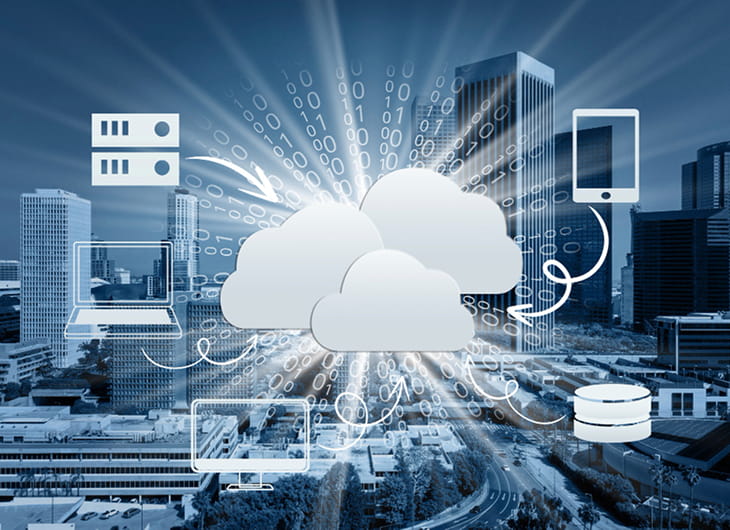
Cloud computing is an information technology service model that provides access to servers, storage, databases, networks, and software over the internet. Users only pay for the resources they use, making it more economical than building their own data center.
Cloud Service Type
-
Infrastructure as a Service (IaaS) – Provides virtual infrastructure such as servers and storage.
-
Platform as a Service (PaaS) – Provides a platform for application development.
-
Software as a Service (SaaS) – Provides ready-to-use applications via a browser.
Advantages of Cloud Computing for IT Infrastructure
Here are some reasons why companies are moving to the cloud:
-
High Scalability – Resources can be added or reduced as needed.
-
Cost Efficiency – No need to invest in expensive hardware.
-
Data Security – Cloud providers generally have high levels of security standards.
-
Global Access – The system can be accessed from anywhere as long as it is connected to the internet.
-
Fast Disaster Recovery – Data backup and recovery is easier.
The Role of Cloud Computing in Digital Transformation
Cloud computing is a major catalyst for digital innovation. Technologies such as artificial intelligence, big data analytics, and the Internet of Things (IoT) require large computing infrastructures that the cloud can fulfill. Without the cloud, implementing this technology would require much greater costs and resources.
Future Trends in Cloud-Based IT Infrastructure
Several trends predicted to dominate the future:
-
Hybrid Cloud Adoption – Combination of public and private clouds for maximum flexibility.
-
Edge Computing Integration – Data processing closer to the source for low latency.
-
Serverless Architecture – Developers focus on code without managing servers.
-
Green Cloud Computing – Environmentally friendly infrastructure with more efficient energy consumption.
Cloud Implementation Challenges
While promising, cloud adoption also has challenges:
-
Regulation and data compliance
-
Risk of dependency on service providers
-
Requires stable internet connection
-
Security and user access management
Companies need a mature migration strategy so that the transition runs smoothly.
Conclusion
Cloud computing is not just a technology trend, but the main foundation of the future of IT infrastructure. With its scalability, efficiency and support for modern technological innovation, the cloud will continue to be the main solution for organizations that want to remain competitive in the digital era. Businesses that adopt the cloud early have a greater opportunity to grow and adapt to rapid technological changes.
Key Takeaways

- Practical technology insight
- Business-focused implementation
- Reliable IT planning
- Continuous improvement


