

 21/04/2025
 Cloud Computing vs Edge Computing: Differences and Benefits
In the ever-growing digital era, computing technology plays an important role in managing data and applications. Two concepts that are often discussed are cloud computing and edge computing. Both have their respective ad
 by Administrator
  Bestada
 Copy Link
  News
News Cloud Computing vs Edge Computing: Differences and Benefits


In the ever-growing digital era, computing technology plays an important role in managing data and applications. Two concepts that are often discussed are cloud computing and edge computing. Both have their respective advantages and characteristics, and are used in various contexts according to business and technology needs. This article will discuss the main differences between cloud computing and edge computing, as well as the benefits each technology offers.
What is Cloud Computing?
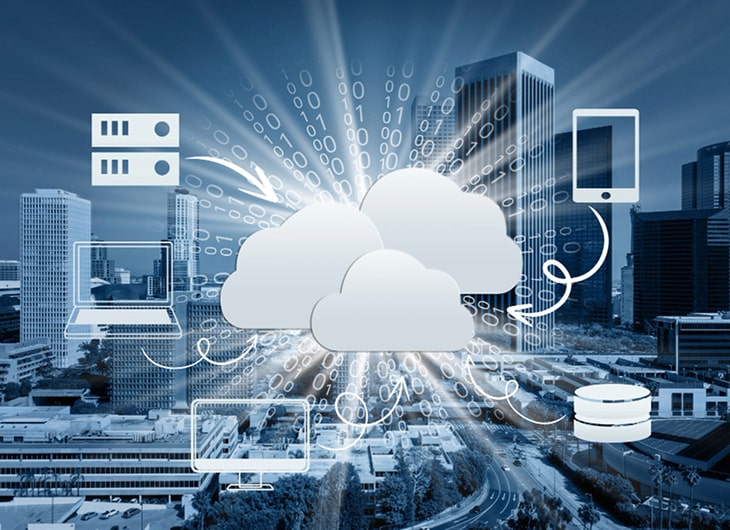
Cloud computing is a model of storing and processing data over the internet that utilizes remote servers. Users can access data, applications and services without having to own physical infrastructure directly. These cloud services are usually provided by large companies such as Amazon Web Services (AWS), Microsoft Azure, and Google Cloud Platform.
Benefits of Cloud Computing:
-
High Scalability: Capacity can be scaled up or down according to business needs.
-
Cost Efficiency: No need for large investments in hardware or maintenance.
-
Global Access: Data and applications can be accessed from anywhere with an internet connection.
-
Data Recovery: The cloud offers a reliable backup and recovery system.
What is Edge Computing?
Edge computing is a data processing approach that is carried out near the data source or device itself (such as IoT). This means that the processing is not carried out in a remote data center, but at the edge or "periphery" of the network.
Benefits of Edge Computing:
-
Low Latency: Data processing is done closer to the user, resulting in faster response.
-
Bandwidth Savings: Not all data has to be sent to the cloud, reducing network load.
-
Better Data Security: Sensitive data can be processed locally without leaving the network.
-
Offline Availability: The application can still run even if the internet connection is unstable.
Main Differences Between Cloud Computing and Edge Computing
AspectsCloud ComputingEdge ComputingData Processing LocationRemote server in data centerNear data source (local/device)LatencyHigherVery lowInternet DependencyHighLow (can run locally)Data SecurityDepends on service providerMore controlled locallyScalabilityVery flexibleLimited to edge devices
When to Use Cloud and Edge?
-
Use Cloud Computing if: You need high flexibility, global collaboration and large volumes of data to analyze.
-
Use Edge Computing if: You need fast response, real-time systems (such as autonomous vehicles), or an environment with limited internet connections.
Conclusion
Both cloud computing and edge computing have their own advantages in data processing and digital system development. The choice between the two depends on the specific needs of the application, user location, and business priorities. In some cases, a combination of both (hybrid computing) can be the most effective solution for maximizing performance and efficiency.
Key Takeaways

- Practical technology insight
- Business-focused implementation
- Reliable IT planning
- Continuous improvement


