

 01/02/2024
 Developing Trusted Health Applications
In the ever-evolving digital era, health apps are becoming an increasingly popular solution for monitoring, managing and improving overall health. However, to gain user trust, developing trusted health applications requi
 by Administrator
  Bestada
 Copy Link
  News
News Developing Trusted Health Applications


In the ever-evolving digital era, health apps are becoming an increasingly popular solution for monitoring, managing and improving overall health. However, to gain user trust, developing trusted health applications requires special attention to aspects of security, privacy and reliability of health information. This article will discuss important guidelines and principles in developing a reliable health app that wins the hearts of users.
1. Data Privacy and Security
It is important to give high priority to data privacy and security in health app development. Ensure that users' personal data, including health information, is properly encrypted and only accessed by authorized parties. Implement strict security standards and continuously update the application security system.
2. Regulatory Compliance
Make sure your app complies with health regulations that apply in the target user area. Understanding and following guidelines from relevant government agencies, such as the Food and Drug Administration (BPOM), can help build user trust and prevent future legal problems.
3. User-Friendly Interface
An easy-to-understand and user-friendly interface design is the key to attracting users. The app should be designed in such a way that users can easily access their health information, input data, and navigate features without difficulty.
4. Latest Technology Integration
Leverage the latest technologies such as artificial intelligence (AI), data analysis, and the Internet of Things (IoT) to improve the functionality of your health app. The integration of advanced technologies can provide users with a better experience and provide more effective solutions for health monitoring.
5. Providing Accurate Health Information
A trusted health application must provide accurate and up-to-date information. Collaboration with health professionals, such as doctors and nutritionists, can ensure that the content provided is relevant and reliable.
6. Real-Time Health Monitoring
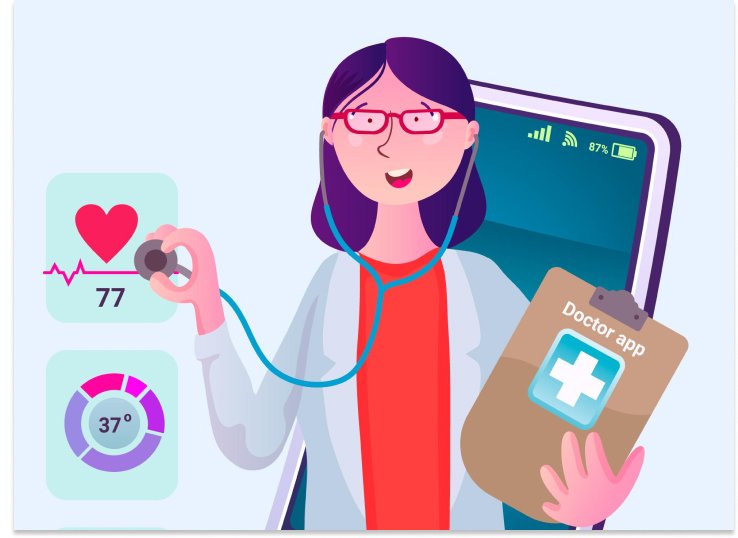
Integrate real-time health monitoring features that provide information directly to users. This may involve monitoring heart rate, physical activity levels, or notifications to take medication regularly.
7. User Feedback and Evaluation
Provide a mechanism for users to provide feedback. User evaluations can provide valuable insights to improve the quality and functionality of your health app.
Conclusion
Developing a trusted health app is a challenge, but by keeping these principles in mind, you can build a solution that is useful and trusted by users. Privacy, security and regulatory compliance are the cornerstones, while cutting-edge technology and a user-friendly interface will make your app the top choice in the world of digital health.
In the development process, using application creation services from an experienced software house can be a strategic step. A competent Software house will help ensure that your health app not only meets security and regulatory standards, but also provides an easy-to-use interface and reliable functionality. Thus, you can build a health app that is not only of high quality but also wins the hearts of users.
Key Takeaways

- Practical technology insight
- Business-focused implementation
- Reliable IT planning
- Continuous improvement


