


 11/01/2025
 Guide to Creating Applications for Event Organizers
In today's digital era, applications for event organizers have become an important need. This application helps manage events more efficiently, from planning to implementation. This article will discuss a complete guide
 by Administrator
  Bestada
 Copy Link
  News
News Guide to Creating Applications for Event Organizers
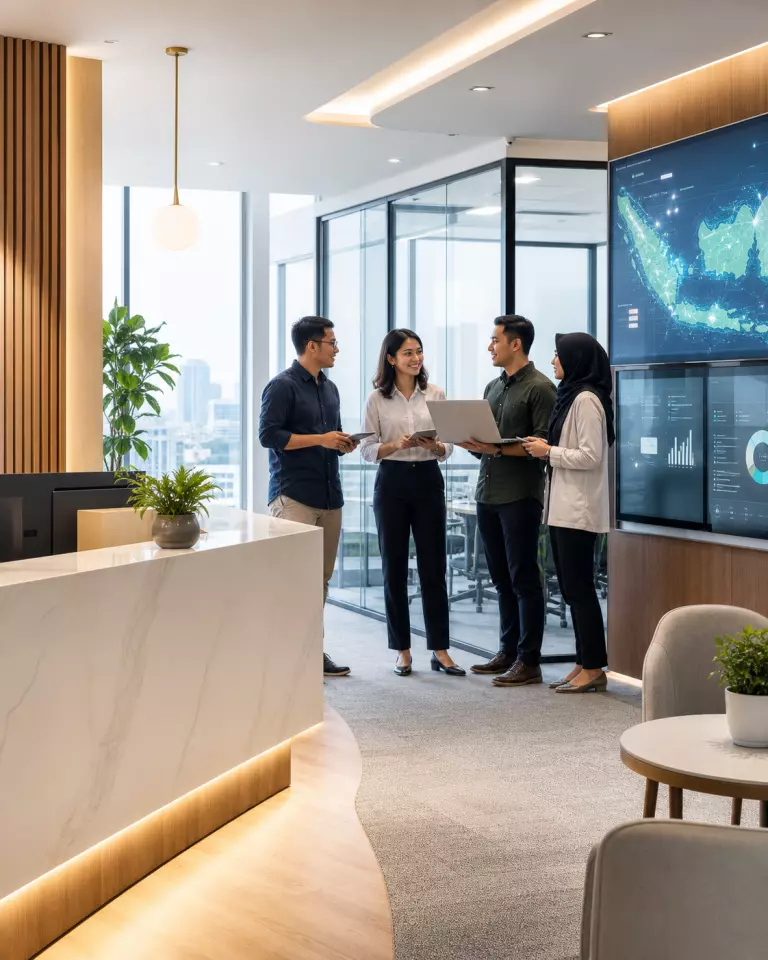

In today's digital era, applications for event organizers have become an important need. This application helps manage events more efficiently, from planning to implementation. This article will discuss a complete guide to creating an effective and functional event organizer application.
1. Understand User Needs
The first step in creating an event organizer application is to understand the user's needs. Some of the main features that are often needed include:
- Event Agenda Management: Ability to schedule and organize events.
- Registration and Tickets: Features for registering participants and purchasing tickets.
- Notifications and Reminders: Automatic reminders for attendees before the event starts.
- Live Chat or Q&A: Direct communication between participants and organizers.
Conducting a survey of the target audience can help determine the most relevant features.
2. Design a User-Friendly UI/UX Design
The application must be easy to use by all groups, including those who are less familiar with technology. 3. Choose the Right Technology Choosing the appropriate technology is critical to ensuring the application runs smoothly. 4. Add Security Features The data security of participants and organizers is a top priority. Some steps that can be taken are: 5. Integrate Marketing In-app marketing features can help organizers promote their events. 6. Testing and Evaluation Before launching the application, perform a thorough test. 7. Launch and Marketing Once the app is ready, the final step is to launch it on platforms such as Google Play Store or Apple App Store. Several marketing strategies that can be used: Conclusion Creating an application for event organizers requires careful planning, starting from understanding user needs to designing the right features. With a functional and user-friendly application, organizers can manage events more easily and efficiently. Make sure to continue updating the application according to technological developments and market needs.
Key Takeaways

- Practical technology insight
- Business-focused implementation
- Reliable IT planning
- Continuous improvement


