

 16/08/2024
 Integrating Payments in Your Mobile Application: Practical Tips
Payment integration in mobile applications is an important aspect that needs to be considered in current application development. With the rise in digital transactions, having a secure, easy-to-use and efficient payment
 by Administrator
  Bestada
 Copy Link
  News
News Integrating Payments in Your Mobile Application: Practical Tips


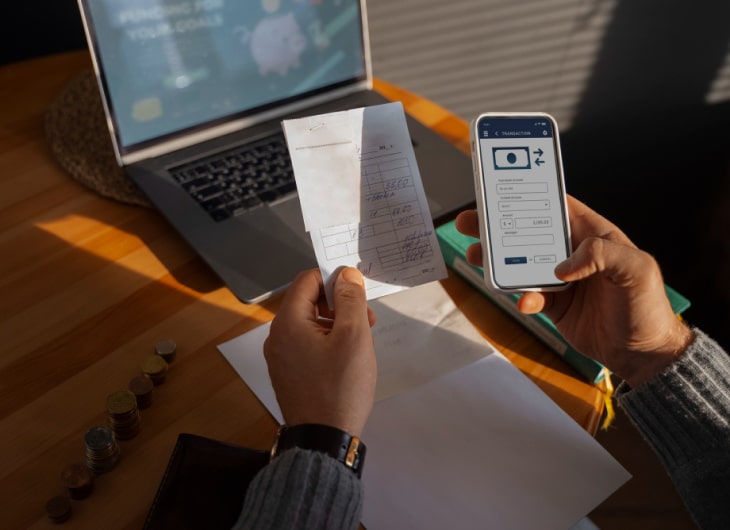
Payment integration in mobile applications is an important aspect that needs to be considered in current application development. With the rise in digital transactions, having a secure, easy-to-use and efficient payment system can improve user experience and maximize business profits. This article will discuss some practical tips for integrating payments into your mobile application.
1. Choose the Right Payment Gateway
The first step in integrating payments is choosing the right payment gateway. A payment gateway is a service that processes credit card transactions or other payment methods. Some factors to consider when choosing a payment gateway include:
- Ease of integration: Make sure the payment gateway provides an SDK or API that is easy to implement in your application.
- Security: Choose a provider that meets security standards such as PCI DSS (Payment Card Industry Data Security Standard).
- Transaction fees: Compare the fees charged by several providers to choose the one that best fits your budget.
- Support multiple payment methods: Choose a gateway that supports multiple payment methods, such as credit cards, e-wallets, bank transfers, and others.
Some examples of popular payment gateways are PayPal, Stripe, and Midtrans (specifically in Indonesia).
2. Focus on User Experience (UX)
User experience or User Experience (UX) is the key to success in applications that integrate payments. The payment process should be simple, fast, and not confusing for users. Here are some UX tips for payments:
- Minimize steps: Reduce the number of steps required to complete a checkout. The fewer steps, the less likely the user is to cancel the transaction.
- Use an intuitive UI: The interface design should be easy to understand with clear instructions and supportive visuals.
- Provide fast payment options: Features like one-click checkout or saving payment methods for future transactions can increase conversions.
- Fee transparency: Make sure users know all the fees they are charged before they confirm payment.
3. Transaction Data Security
Security is a top priority in managing user payment data. Implement strong security protocols such as:
- SSL Encryption: Use SSL encryption to protect data sent between the application and the server.
- Tokenization: Replace sensitive data such as credit card numbers with unique, non-reusable tokens.
- Two-factor authentication (2FA): Add an extra layer of security by requiring users to perform additional authentication via SMS or an authentication app.
Don't forget to comply with payment security regulations and standards such as PCI DSS to keep user data safe.
4. Consider Local Payment Options
If your app operates in multiple countries, it's important to offer commonly used local payment methods. For example, in Indonesia, services such as GoPay, OVO, and Dana are increasingly popular. Providing local payment options can increase user trust and encourage more transactions.
5. Payment Process Testing and Optimization
Before launching a payments feature in your app, do thorough testing to make sure everything works smoothly. Some things that need to be tested are:
- Transaction speed: Make sure the payment process is not slow or experiencing errors.
- Device compatibility: Test across devices and platforms (Android, iOS) to ensure there are no technical issues.
- Payment errors: Simulate various error scenarios, such as invalid credit card, and check whether the application handles errors properly.
In addition, continue to monitor payment system performance after launch. Use analytics to understand where users may be experiencing problems and optimize based on that data.
Conclusion
Integrating payments into your mobile application requires careful planning, from choosing a payment gateway, ensuring a good user experience, to keeping transaction data secure. By following the tips above, you can build a reliable and secure payment system, which not only increases user satisfaction but also supports the growth of your business.
Key Takeaways

- Practical technology insight
- Business-focused implementation
- Reliable IT planning
- Continuous improvement


