

 04/01/2025
 Tips for Creating a Taxi Ordering Application
In the digital era, taxi ordering applications have become a practical and popular transportation solution. If you want to develop this kind of app, there are some important tips to keep in mind to ensure your app is suc
 by Administrator
  Bestada
 Copy Link
  News
News Tips for Creating a Taxi Ordering Application


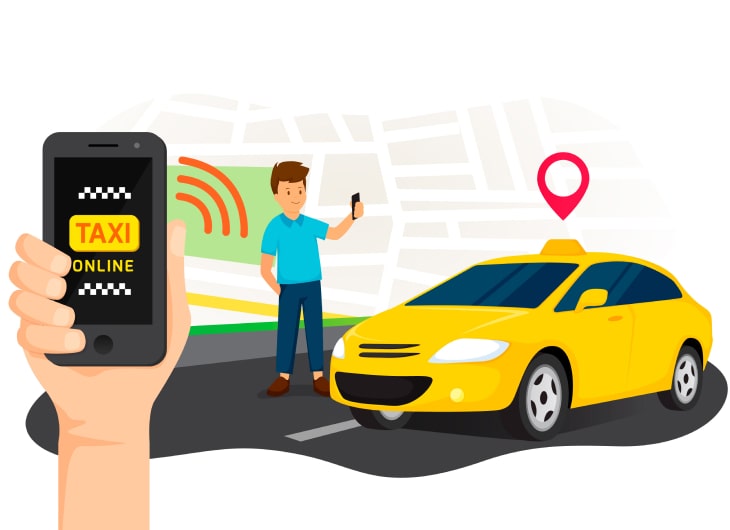
In the digital era, taxi ordering applications have become a practical and popular transportation solution. If you want to develop this kind of app, there are some important tips to keep in mind to ensure your app is successful in attracting users and competing in the market. Here is a guide to the steps:
1. Identify Target Users
Before starting to create an application, understand who your target user is. Are you focusing on users in large cities, tourist areas, or specific communities? Analyzing their needs will help you design relevant and useful features.
2. Offer Comprehensive Key Features
A taxi ordering application must have core features that make things easier for users, such as:
- Real-Time Location Tracking: Allows users to track the driver's position.
- Estimated Arrival Time and Fares: Provides an overview of travel times and costs.
- Various Payment Options: Including cash, credit cards, and digital wallets.
- Ratings and Reviews: To ensure the quality of service from drivers.
3. Prioritize User-Friendly Design
The application interface (UI) must be simple and easy to use. Make sure users can understand how to use the application without requiring additional guidance.
4. Use Accurate GPS Technology
GPS is a key element in taxi booking applications. Choose reliable technology to minimize location errors and increase user satisfaction.
5. Integrate Push Notifications
Push notifications help users stay informed about their booking status, such as booking confirmation, driver arrival, and trip updates.
6. Ensure Data Security
User data security is very important. Use strong encryption and authentication methods to protect users' personal information and transactions.
7. Provide Features to Drivers
Don't just focus on the user; Drivers also need supporting features. Features such as:
- Navigation map.
- Travel history and income.
- Option to accept or reject the order.
8. Perform Thorough Testing
Before launching the app, test all features thoroughly to ensure the app is bug-free. A bad user experience can reduce the trust and popularity of your app.
9. Design an Effective Marketing Strategy
Once the app is ready, make sure you have a strong marketing strategy. Use social media, digital advertising and promotions to introduce your app to a wide audience.
10. Monitor and Improve Regularly
The application market is always evolving, and so are user needs. Listen to user feedback and make regular updates to keep your app relevant.
By implementing the tips above, you can create a competitive taxi booking app that provides a great user experience. Make sure to stay up to date with technological developments and market trends to keep your app on top.
Key Takeaways

- Practical technology insight
- Business-focused implementation
- Reliable IT planning
- Continuous improvement


