

 02/12/2024
 Tips for Creating Travel and Tourism Applications
Travel and tourism applications are increasingly popular in the digital era, helping users plan trips easily and efficiently. To create a successful application in this competitive market, there are several tips to keep
 by Administrator
  Bestada
 Copy Link
  News
News Tips for Creating Travel and Tourism Applications


Travel and tourism applications are increasingly popular in the digital era, helping users plan trips easily and efficiently. To create a successful application in this competitive market, there are several tips to keep in mind. Here's the complete guide:
1. Know Your Target User
Before starting development, understand who the target users of your application are. Is it focused on backpackers, families, or business travelers? Each segment has different needs, such as booking cheap tickets, family tour packages, or organized business travel schedules.
2. Intuitive Interface Design
Attractive and easy-to-use UI/UX design is very important to improve user experience. Make sure users can easily:
- Find a destination.
- Order tickets and accommodation.
- View travel information clearly.
3. Integrate Search and Order Features
A sophisticated search feature will make it easier for users to find the destination or service they need. Include filter options such as price, location and accommodation type. Additionally, integrate a secure and fast booking system for airline tickets, hotels or tourist activities.
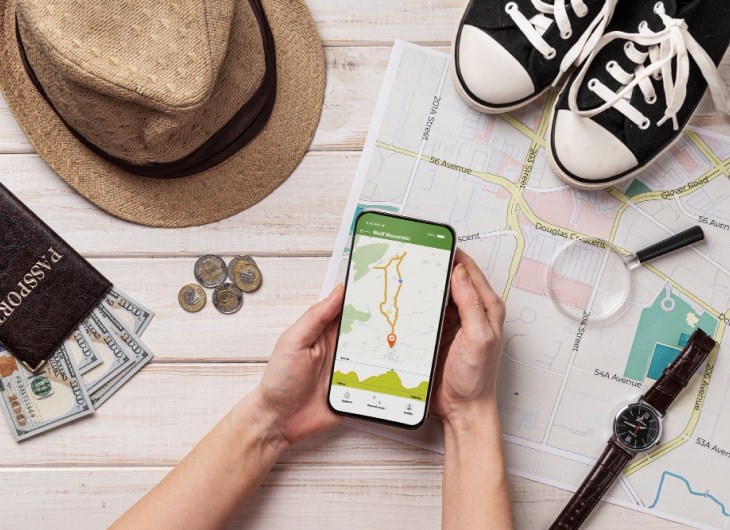
4. Add Maps and Navigation
The interactive map feature helps users explore their destinations easily. Integration with navigation services such as Google Maps or Apple Maps can be a plus. Make sure the map displays important information such as tourist locations, restaurants, and public transportation.
5. Offer Recommendations and Reviews
Provide recommendations for tourist attractions, restaurants or activities based on user preferences. Add a user reviews feature to build trust and provide a realistic picture of a particular destination.
6. Include Offline Features
Internet connection is not always available when traveling. Add an offline feature that allows users to access itineraries, maps, or travel guides without the internet.
7. Support Local Language and Currency
To reach a global market, make sure your app supports multiple languages and currencies. This feature is very important to increase the convenience of international users.
8. Integrate Social Media
Provide the option to share travel experiences via social media. This feature not only increases user engagement but also serves as free promotion for your app.
9. Provide Offers and Discounts
Offer attractive promotions such as discounts for new users or bundling packages. This strategy can attract more users and increase customer loyalty.
10. Monitor and Improve Application Performance
Once the app is launched, continuously monitor its performance through analytics. Use this data to understand user behavior and identify areas for improvement.
Conclusion
Creating a successful travel and tourism app requires careful planning, intuitive design, and features that are relevant to user needs. By following the tips above, you can create applications that are not only attractive but also provide practical solutions for users.
Key Takeaways

- Practical technology insight
- Business-focused implementation
- Reliable IT planning
- Continuous improvement


